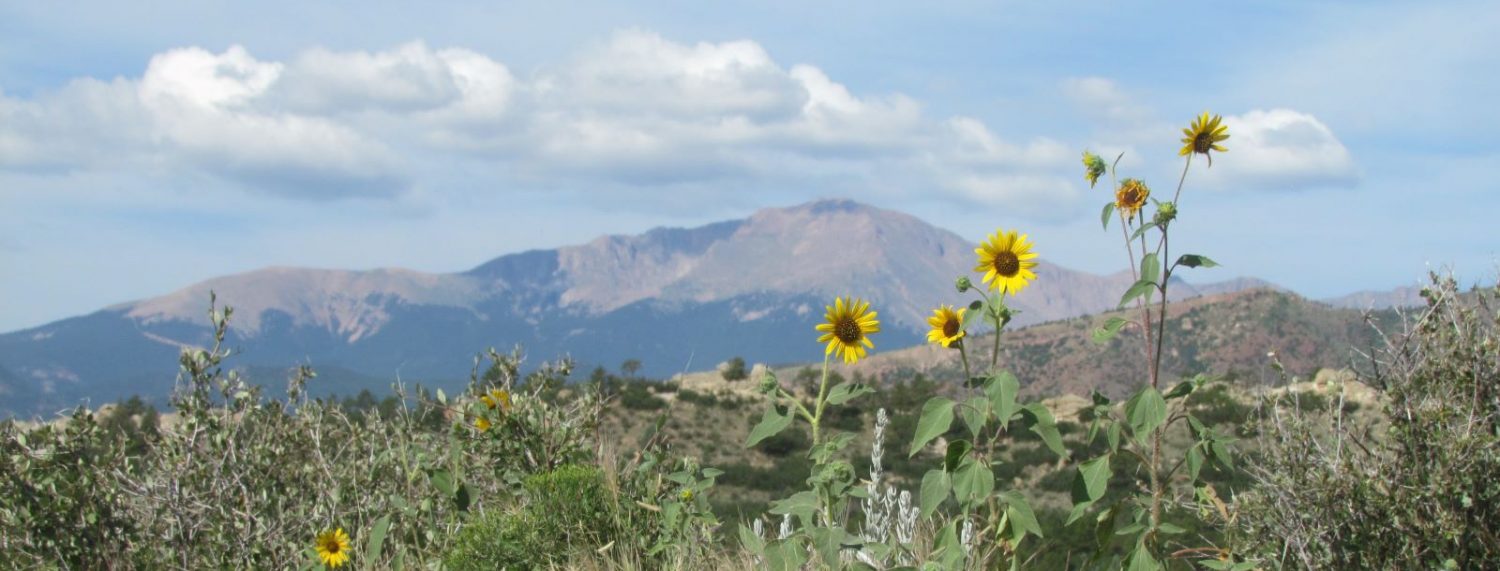

Living at an elevation of 6,000 feet along Colorado’s Front Range, we can expect frost until the middle of May. This does not preclude earlier harbingers of spring, some of which have made a welcome appearance in the previous two days.
Wir leben auf 1.800 Meter Höhe am Ostrand der Rocky Mountains in Colorado, wo es noch bis Mitte Mai Frost geben kann. Das schließt nicht aus, daß erste willkommene Frühlingsboten bereits früher in Erscheinung treten, so wie diese hier in den vergangenen zwei Tagen.
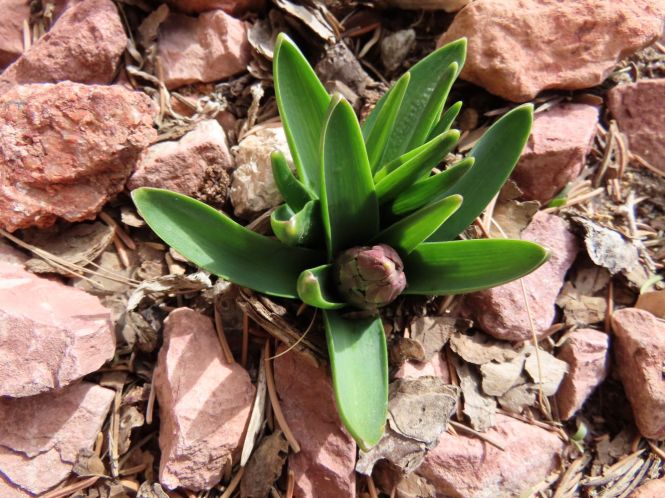
Hyacinth in front of our house on 3/11/2025, pondering its next step/Eine Hyazinthe vor unserem Haus am 11.3. 2025 überlegt ihren nächsten Schritt

Mourning Cloak (AE)/Camberwell Beauty (BE) (Nymphalis antiopa) sighted on 3/10/2025, usually the earliest butterfly of the year/Trauermantel vom 10.3.2025, typischerweise der erste Schmetterling des Jahres


Wonderful.
LikeLiked by 2 people
Thank you, Cindy. These early signs of spring are much appreciated.
LikeLike
Oh for a Camberwell Beauty! Saw one many, many years ago in pre-camera days and have dreamt of another ever since.
LikeLiked by 1 person
Thank you, Brian. You only need to get yourself and your camera over here, chances of seeing one are high! 😊
LikeLiked by 1 person
These signs of spring are fabulous ❣️
LikeLiked by 1 person
Thank you, Luisa. They are certainly very welcome!
LikeLiked by 1 person
My pleasure, Tanja 💐
LikeLiked by 1 person
Hallo Tanja , die Beobachtung eines Trauermantel ist zumindest bei uns keine Alltäglichkeit und schon gar nicht zu dieser Jahreszeit. Dir ist eine bemerkenswerte Beobchtung gelungen.
Danke das du sie hier gezeigt hast.
LG Werner
LikeLiked by 1 person
Danke, lieber Werner. Ich wußte nicht, daß Trauermäntel in Westeuropa so selten sind. Hier kommen sie regelmäßig vor und so kann ich mich des Photos nicht rühmen. 😊
Liebe Grüße zurück,
Tanja
LikeLiked by 1 person
I flitted about on the Internet to find that AE stands for American English and BE for British English. CE could stand for common English, though in this case you’ve told us there are two common English names, depending on which side of the Atlantic an English speaker is from. DE could stand for Deutsch, and here’s what Wiktionary says about the German word Schmetterling:
“Attested ca. 1500, standard since the 18th century. From an East Central German dialect word, equivalent to Schmetten (“cream”) + -ling, due to an old belief that butterflies eat milk products or, in a more ornamented form, that witches transform themselves into butterflies in order to steal such products. Compare English butterfly.”
LikeLiked by 1 person
Sorry you had to do your own search for AE and BE, Steve. I thought the abbreviations were common knowledge.
What isn’t common knowledge is the etymology of the word Schmetterling–I had no idea. That butterflies eat milk products is imaginable; that witches have to go to the trouble of a transfiguration before they can partake less so.
LikeLike
I had the same reaction. If a witch has the magical ability to transform into a butterfly, surely a witch has the less demanding ability to get dairy products directly. So-called folk wisdom isn’t always wise.
LikeLiked by 1 person
You are certainly ahead of us when it comes to spring. We still have a lot of snow, not only in our yard but also everywhere else.
LikeLiked by 1 person
It’s typical here to have warm periods alternate with cold ones during winter, and for the snow to melt a few days after it has fallen. But the year has started too dry and warm and we would happily take some snow from you! You are probably better off!
LikeLiked by 1 person
I hope the hyacinth’s next step will be the correct one!
LikeLiked by 1 person
I hope so too, Neil! 😊
LikeLiked by 1 person
Oh how wonderful, Tanja!💚
LikeLiked by 1 person
Thank you, Karla. The early signs of spring are extra special. 😊
LikeLiked by 1 person
You’re welcome, my friend! 🥰 YES!
LikeLiked by 1 person
Tanja, I amazed that that you were able to locate and photograph some definite signs of spring at an altitude of 6000 ft. A brief warm spell must have stirred up Mother Nature. I wonder when I will be able to spot a butterfly in our neck of the woods.
LikeLiked by 1 person
Thank you for your comment, Peter.
It’s not unusual to have warm periods alter with cooler ones and where we live, any snow we receive usually melts after a few days. We actually hope for more precipitation in the form of snow or rain as the year is already off to a dry start. We can’t afford to lose any more trees to droughts and fires!
LikeLike
Hi, Mrs. Tanja-
Sping definitely feels like it is arriving much earlier this year! The warmer temperatures have me frightened for what the summer may hold!
Thank you for sharing!
Gavin
LikeLiked by 1 person
Thank you, Gavin. It’s not unusual for us to have warm periods interspersed with cool ones, and winter will likely make a few more appearances. At least we hope so, as it has been far too dry and most of the state’s river drainages don’t carry enough water. A hot and dry summer on top of a mild and dry winter would not be a good combination!
Take care,
Tanja
LikeLiked by 1 person
I totally understand!! We are hoping for the same in Texas!
LikeLiked by 1 person
The Mourning Cloak is beautiful. I’ve never seen one, although they’re widely reported in Texas. They don’t seem to favor the coast, though; most of the sightings are just a bit north of me. I saw my first swallowtail of the year yesterday — I hope we both see many more in the coming weeks.
LikeLiked by 1 person
How lovely to have seen your first swallowtail, we won’t see those for a number of months. I hope you will come across a Mourning Cloak during one of your outings. And, yes, I hope we will see many more butterflies in the months to come, mostly for their sake.
LikeLiked by 1 person
And I saw my first swallowtail this year in Austin six days ago.
LikeLiked by 1 person
I’m glad for you as well.
LikeLiked by 1 person
Your caption implies that the Camberwell Beauty is reasonably common in your area. They also occur here but have eluded me for nearly 70 years so, once again, I find myself jealous of your wildlife encounter 🙂
LikeLiked by 1 person
I wish I could beam one to you, Mr. P (we really need to work on that technology; in addition to being very convenient, it would also be a lot more carbon friendly!).
And yes, they seem “common” here (though there is nothing common about them), especially early on in the year. We saw 3 during a hike this past Monday, the first ones for the year. I felt bad as there were no flowers to be seen anywhere, but I have since learned that they eat mainly sap from trees, so I hope they will find enough sustenance.
LikeLiked by 1 person
Spring!!!
LikeLiked by 1 person
At least some suggestions thereof! 😊
LikeLiked by 1 person
Wonderful signs of spring!
LikeLiked by 1 person
Thank you, Eliza. Every sign of spring is highly anticipated. 🙂
LikeLiked by 1 person
Every little bit of spring is a good thing! Love the butterfly shot!!
LikeLiked by 1 person
Very true, Tina. Spring is my favorite season. We saw at least 3 Mourning Cloaks during a hike on Monday but this was this only one who rested long enough to snap a photo.
LikeLike
Lovely early signs of spring and a reminder for me to check on my grape hyacinths. We too get frost until mid-May. Maybe waiting longer can help us appreciate the spring, when it does actually set in. 💚🪻
LikeLiked by 1 person
You might be right, Julie, and those of us who have to wait longer might appreciate spring more. I hope you will find and enjoy some grape hyacinths soon.
LikeLiked by 1 person
Oh yay! I’ve yet to see any signs of spring, but I’m hopeful they’ll arrive soon.
LikeLiked by 1 person
I have noticed green patches here and there, Diana, I’m sure it won’t be long before it becomes more obvious. But I hope we will get some rain or snow or both, everything is too dry.
LikeLiked by 1 person
Fruehlingsboten – wie schoen! Bei uns sind sie noch unterm Schnee versteckt! Aber die ersten Kanada-Gaense habe ich vor ein paar Tage schon gehoert. Sie sind jedes Jahr so was wie Fruehlingsboten!
VG Christa
LikeLiked by 1 person
Ja, Frühlingsboten machen immer Freude–und Hoffnung. Eigentlich wäre es besser, wenn auch unsere Frühlingsblumen noch von Schnee bedeckt wären, aber leider ist es bereits wieder zu warm und zu trocken für die Jahreszeit.
Kanadagänse haben wir inzwischen das ganze Jahr über, wenn auch die meisten im Sommer weiter im Norden verweilen (vielleicht bei Dir 😊).
Ich wünsche Dir und mir und uns allen einen angenehmen Frühling.
Herzlichst,
Tanja
LikeLike
These first small signs of spring are truly precious and something to look forward to after winter.
LikeLiked by 1 person
They are, Ann. The weather will swing back and forth for a while yet, but I will keep appreciating those signs as they appear.
LikeLiked by 1 person
Hoffnungsvolle Zeichen
LikeLiked by 1 person
Wenigstens für die kurzen Momente, in denen frau sie erlebt, bevor die Gedanken wieder mit Kreisen anfangen . . .
LikeLiked by 1 person
Greenery makes us smile especially after a cold winter. Has it been a nasty season this year in Colorado?
LikeLiked by 1 person
Thank you for your comment. Greenery does indeed bring happiness when it promises that spring won’t be long in coming. Our winter was not particularly severe. We had some cold stretches, but they did not last long. Sadly, we had too little snow and everything is really dry, which is very concerning.
LikeLiked by 1 person
Going for some early Spring rain
LikeLiked by 1 person
👍
LikeLike
I always go into panic mode when I see new growth. I still have to clear out all my flower beds! I love all the flowering trees in spring too.
LikeLiked by 1 person
It’s nice to anticipate fresh growth, but I hope you won’t panic this year. It’s not supposed to be a stressful experience!
LikeLike
Hyacinths already! Very impressive! Around here, I don’t usually see mourning cloaks until April. 😉
LikeLiked by 1 person
The hyacinths are still pondering their next step. I’m always amazed that they seem to be able to stop growing midway and then resume it at some later point.
And I think the Mourning Cloaks we saw were also early, most of their relatives will arrive later.
LikeLike
The butters are just now starting to flutter here, but these early emergers are still going to have to whether some definitely low temps that are still putting up a resistance to the coming Spring. I am quite fond of the Cloaks!
LikeLiked by 1 person
It’s early here too. If previous years are any indication, we will have a few more snowfalls before winter is over.
LikeLiked by 1 person
Great insights of the word ‘butterfly’. Have a great spring!
LikeLiked by 1 person
Thank you, Maria. I wish you the same!
LikeLike